
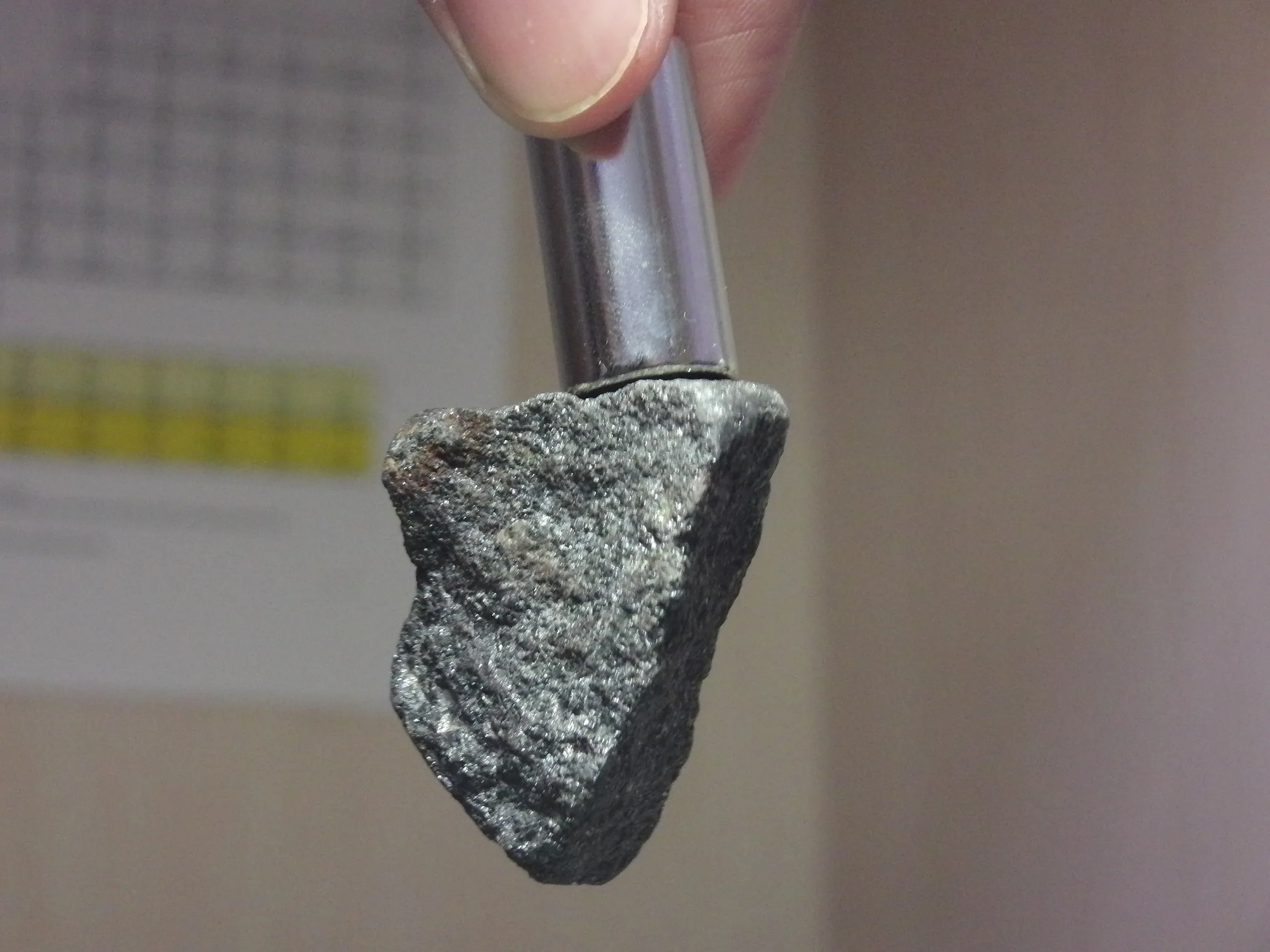
Collecting magnets is a fun and educational hobby for children. Magnets come in many shapes, sizes, and designs,souvenirs from different cities, animals, cartoons, famous landmarks, and motivational quotes. Each magnet tells a story about a place, event, or interest, making the collection exciting and personal.
This hobby encourages children to learn about the world around them. It also sparks curiosity about science, geography, and art. Children enjoy arranging magnets on fridges or boards, which helps them develop a sense of order and creativity. Collecting magnets is not only fun but also teaches responsibility and pride in taking care of one’s collection.
Five Advantages of Collecting Magnets for Children
Magnets often represent different countries, cities, or landmarks, helping children learn about geography and culture.
Children are motivated to ask questions about the magnets they collect, inspiring research and learning about history, nature, and science.
Arranging and displaying magnets teaches children how to sort, categorize, and maintain their collection neatly.
Magnets with different designs, colors, and themes inspire children to decorate boards, create patterns, or design their own collections.
Children enjoy sharing and trading magnets with friends and family, which helps build communication, confidence, and social skills.

Collecting miniature or theme-based toys is a fun and imaginative hobby for children. These toys,whether cars, animals, action figures, dolls, superheroes, buildings, or fantasy characters,allow children to explore their interests in a playful way. Each toy represents a small world of its own, encouraging children to think creatively and develop strong imaginative skills.
This hobby also helps children express their personality and preferences. Some may collect toy cars, others miniature animals, or characters from movies and stories. As their collection grows, children learn to value their belongings, take care of their toys, and feel proud of what they have built. Collecting toys can also spark curiosity and storytelling, making learning enjoyable and interactive.
Five Advantages of Collecting Miniature or Theme-Based Toys for Children
Miniature toys help children create their own stories, scenes, and characters, which strengthens imaginative thinking and creativity.
Handling, arranging, and organizing small toys enhances hand-eye coordination, attention to detail, and problem-solving abilities.
Children learn how to sort, arrange, and take care of their toy collections, building responsibility and organizational habits.
Theme-based toys (like animals, vehicles, or historical figures) help children learn about nature, professions, history, or science in a fun and hands-on way.
Children enjoy showing their toy collections to friends, playing together, or trading items, which improves communication, teamwork, and confidence.
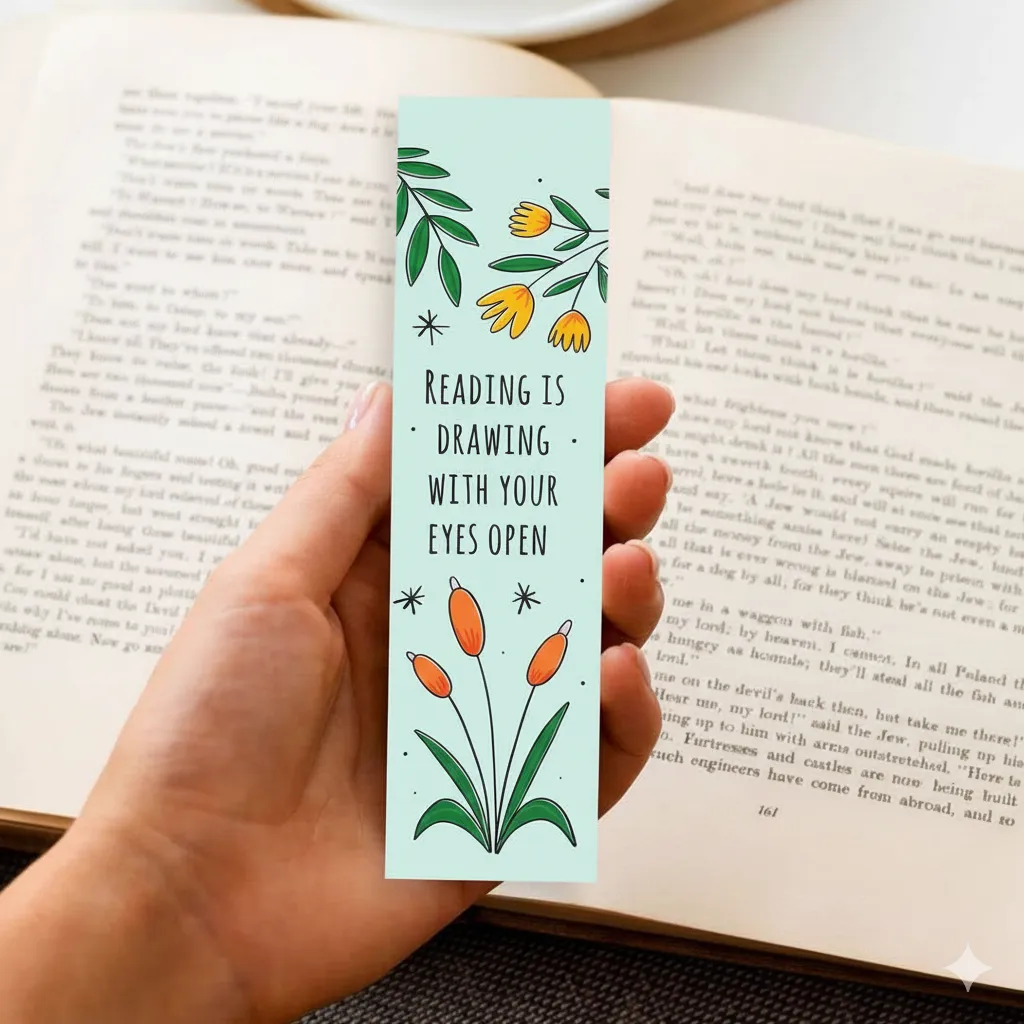
Collecting bookmarks is a simple yet meaningful hobby for children. Bookmarks come in many designs,cartoons, animals, quotes, famous characters, scenic photos, festivals, and handmade art. Each bookmark reflects a child’s taste and interests, making the collection personal and special.
This hobby also encourages a love for reading. When children collect bookmarks, they enjoy choosing a new one for every book they read. It makes reading feel more exciting and organized. Collecting bookmarks also teaches children to appreciate small objects, take good care of their belongings, and express their creativity through themed collections.
Five Advantages of Collecting Bookmarks for Children
Using bookmarks makes reading more enjoyable and organized, motivating children to read more often.
Beautiful and artistic bookmark designs spark imagination and can inspire children to create their own bookmarks.
Children learn to sort, categorize, and store bookmarks neatly, helping them develop good organizational habits.
Bookmarks often remind children of the books they read or the place they last marked, helping them connect memories with stories.
Children enjoy showing or trading bookmarks with friends, which helps them communicate, share interests, and build confidence.
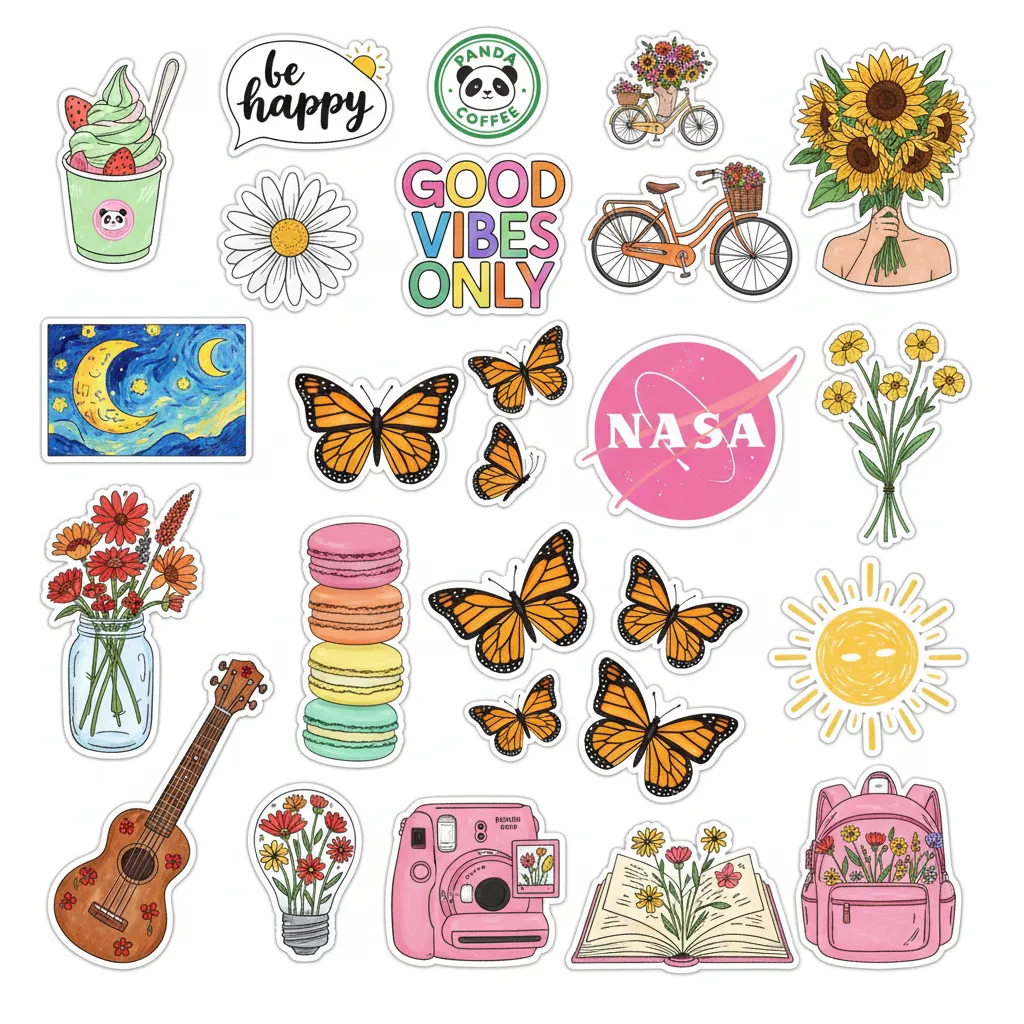
Collecting stickers is a fun and colorful hobby that many children enjoy. Stickers come in countless designs,animals, cartoons, shapes, emojis, superheroes, nature scenes, motivational quotes, and more. Each sticker reflects something a child likes or finds interesting. When children collect stickers, they express their creativity and build a collection that represents their personality.
This hobby also encourages imagination. Children love arranging stickers in albums, notebooks, or special sticker books. Through this, they learn to organize, decorate, and create their own little worlds. Collecting stickers also helps children share their interests with friends, making it a great social and creative activity.
Five Advantages of Collecting Stickers for Children
Stickers inspire children to design pages, create patterns, and decorate objects, strengthening their artistic imagination.
Arranging sticker sheets, sorting them by theme, and maintaining a sticker book teaches children how to plan and stay organized.
Peeling, placing, and arranging stickers helps develop hand–eye coordination and finger control, especially in younger children.
Children enjoy trading or sharing stickers with friends, which helps build communication skills, cooperation, and confidence.
Choosing the right sticker and placing it carefully teaches patience and helps children improve their concentration.
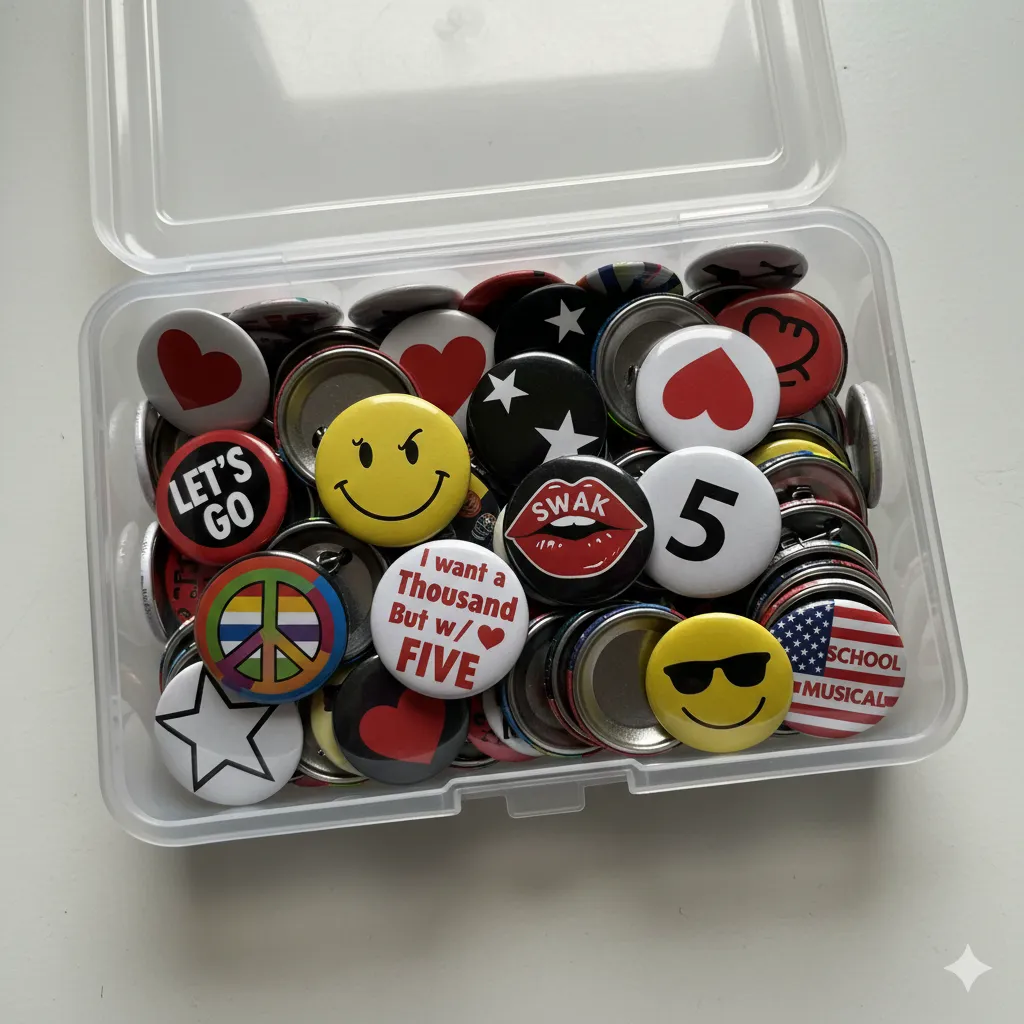
Collecting badges or pins is an exciting and inspiring hobby for children. Badges come in many themes,sports teams, cartoons, flags, festivals, achievements, and special events. Each badge or pin tells a unique story and represents something meaningful. When children collect badges, they learn to appreciate designs, symbols, and the message behind each one.
This hobby also helps children express who they are. A child who loves space may collect astronaut pins, while another who loves nature may collect animal badges. Over time, their collection becomes a reflection of their interests, memories, and experiences. It also teaches them to take pride in their accomplishments, especially when they earn badges in school, clubs, or competitions.
Five Advantages of Collecting Badges / Pins for Children
Badges represent achievements, interests, and values. Collecting them helps children feel proud of who they are and what they like.
Badges and pins come in varied shapes, colors, and designs, motivating children to notice details and appreciate creative artwork.
Children learn to arrange their badges safely in boxes, boards, or albums, which teaches them responsibility and organizational skills.
Kids love trading, sharing, or showing their badge collections to friends. This promotes conversation, bonding, and teamwork.
Each badge has a story,where it came from, what event it represents, or who gifted it. Talking about these stories helps improve memory and communication.
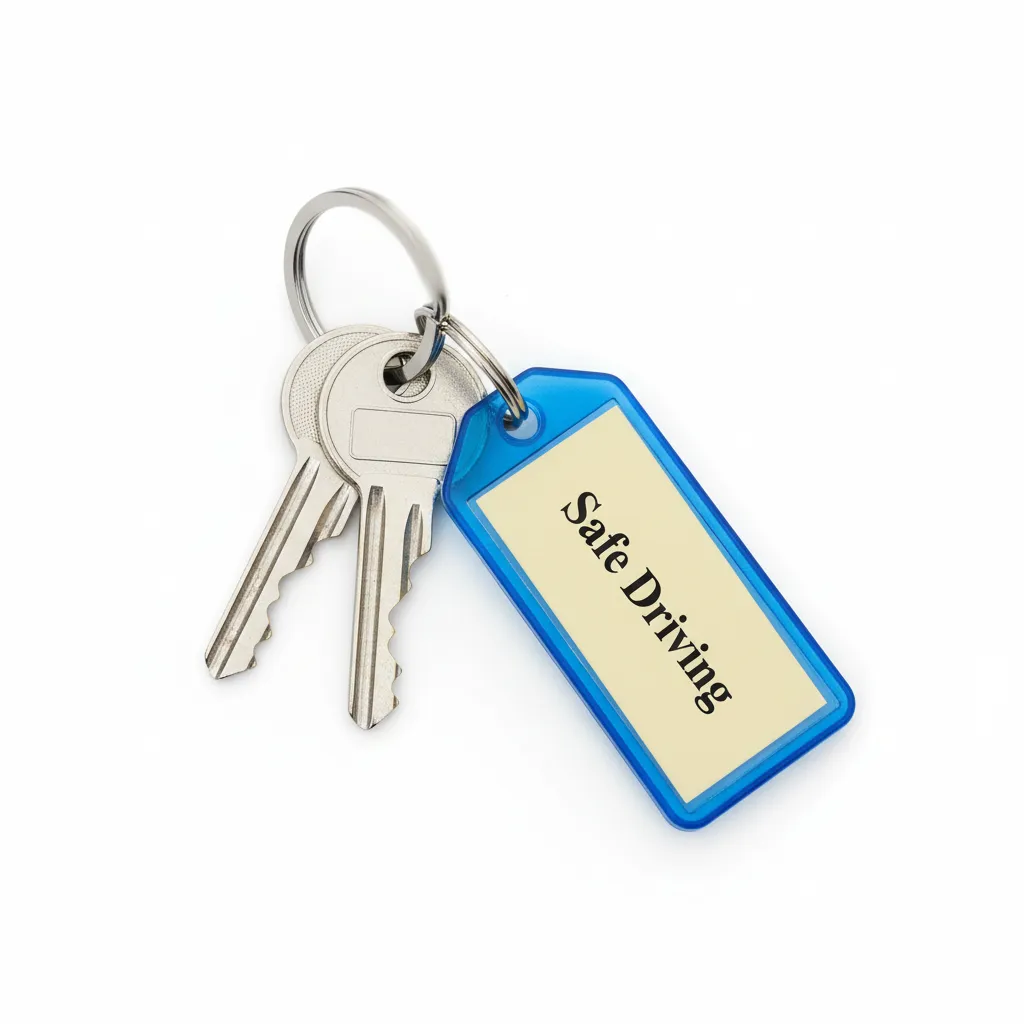
Collecting keychains is an enjoyable and creative hobby for children. Keychains come in many shapes, colors, and designs,from cartoon characters and animals to famous landmarks and mini tools. Each keychain tells a small story about where it came from or who gifted it. When children collect keychains, they build a connection to different places, memories, and people.
This hobby also helps children express their interests and personality. Some may love animal-themed keychains, while others may collect keychains from cities or countries. As their collection grows, children learn to appreciate small objects, take care of their belongings, and feel proud of what they have gathered over time.
Five Advantages of Collecting Keychains for Children
Children choose keychains based on their likes,colors, characters, shapes,allowing them to express their personality and creativity.
Each keychain often carries a memory or a story. Talking about where they got it or who gave it helps children improve their storytelling abilities.
Arranging and displaying keychains teaches children how to sort, categorize, and take care of their collections.
Keychains come in many designs, so children learn to notice small details, unique shapes, and special features.
Children enjoy trading or showing their collections to friends, which helps them make connections, share interests, and build confidence.
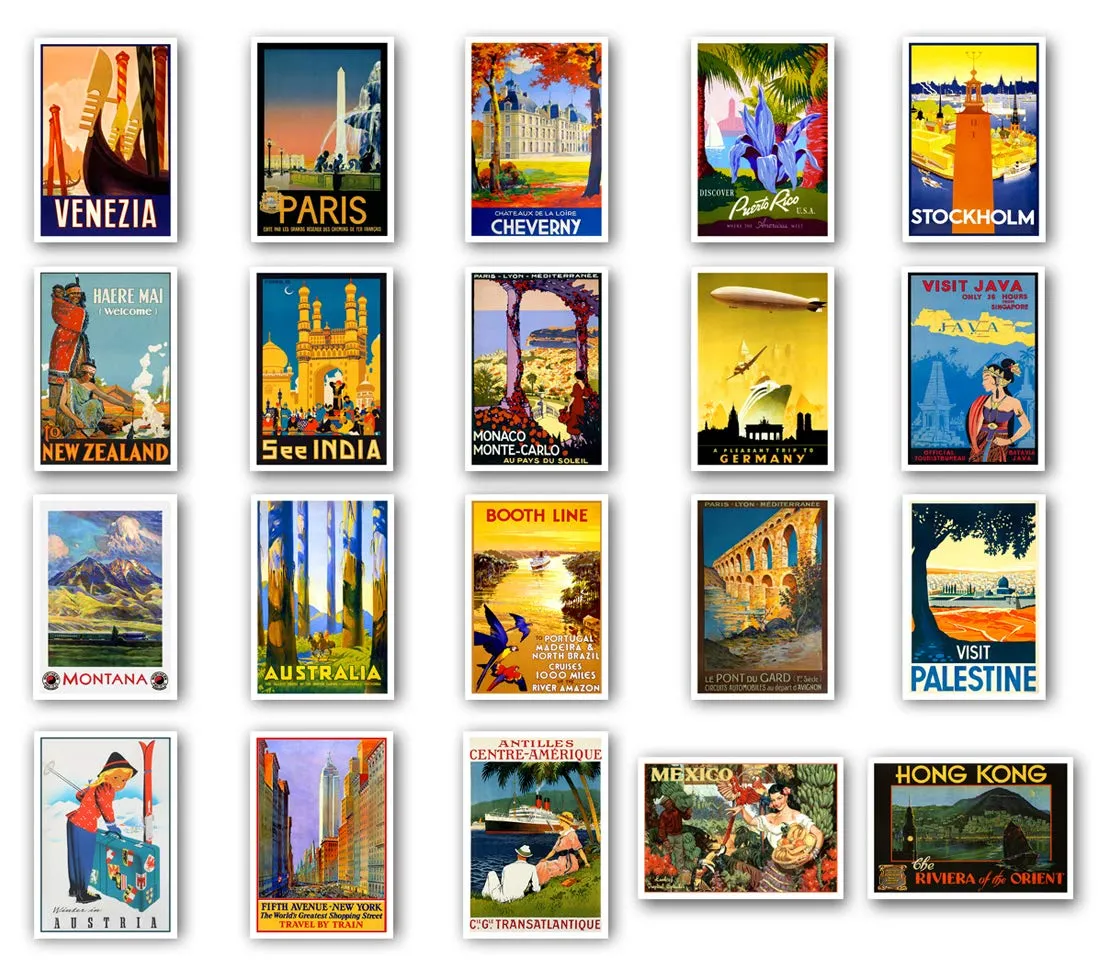
Collecting postcards is a fun and meaningful hobby for children. Postcards are small windows to the world,each one shows beautiful places, famous landmarks, cultures, animals, festivals, and everyday life from different parts of the globe. When children collect postcards, they get to learn about places they may never have visited, inspiring them to explore and imagine.
This hobby helps children understand the diversity of the world in a simple and enjoyable way. It also encourages them to connect with friends and family who send postcards from their travels. As children build their collection, they develop pride in their growing knowledge and creativity. Collecting postcards also teaches children to treasure memories and appreciate the stories behind every card.
Five Advantages of Collecting Postcards for Children
Postcards introduce children to new countries, cities, landscapes, and cultures, helping them learn geography in a fun and visual way.
Pictures and messages on postcards make children ask questions and explore more about the places shown.
Beautiful designs, colors, and scenes inspire children to draw, write stories, or imagine visiting those places.
Many postcards come with messages from friends or family. Reading and writing postcards help children express themselves better.
Arranging and maintaining a postcard collection teaches children how to organize items neatly and remember the stories behind each card.
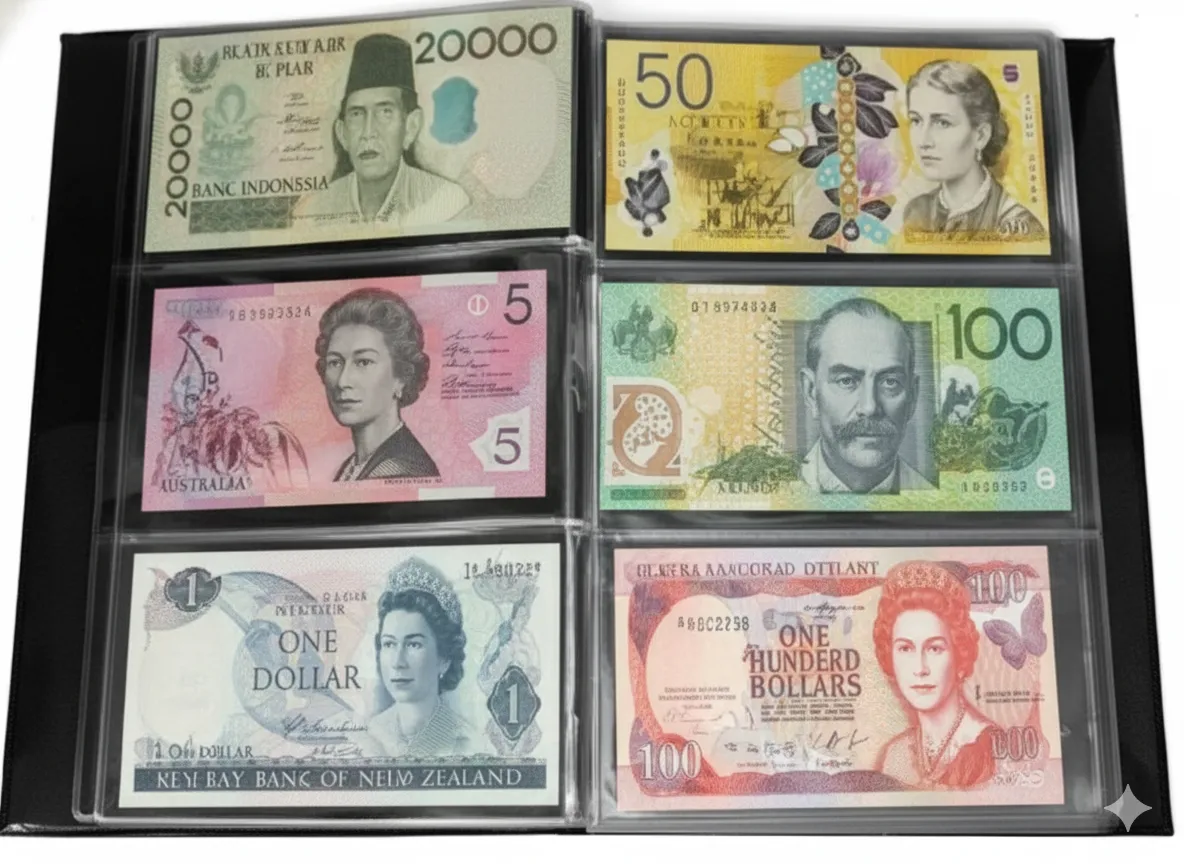
Collecting currency notes from around the world is a fascinating and educational hobby for children. Each note is like a colorful storybook that shows the culture, history, achievements, and values of a country. When children collect world notes, they are introduced to different places, languages, national symbols, important personalities, and unique artistic designs.
This hobby opens a child’s mind to global diversity. It sparks curiosity about how people in different countries live, what they celebrate, and what they believe in. Handling and preserving currency notes also teaches children discipline, responsibility, and carefulness. As their collection grows, children feel a sense of pride and excitement, making learning enjoyable and meaningful.
Five Advantages of Collecting World Currency Notes for Children
World notes help children understand different countries, cultures, languages, and traditions, giving them a broader view of the world.
Children learn about historical leaders, landmarks, and important events shown on notes, while also discovering where each country is located on the map.
Unique and colorful notes encourage children to research the country’s background, its symbols, and its historical importance.
Collecting and preserving delicate notes teaches children how to handle items carefully, arrange them neatly, and maintain their collection systematically.
Currency notes feature beautiful artwork, patterns, colors, and illustrations. This inspires children's creativity and improves their ability to appreciate design and aesthetics.
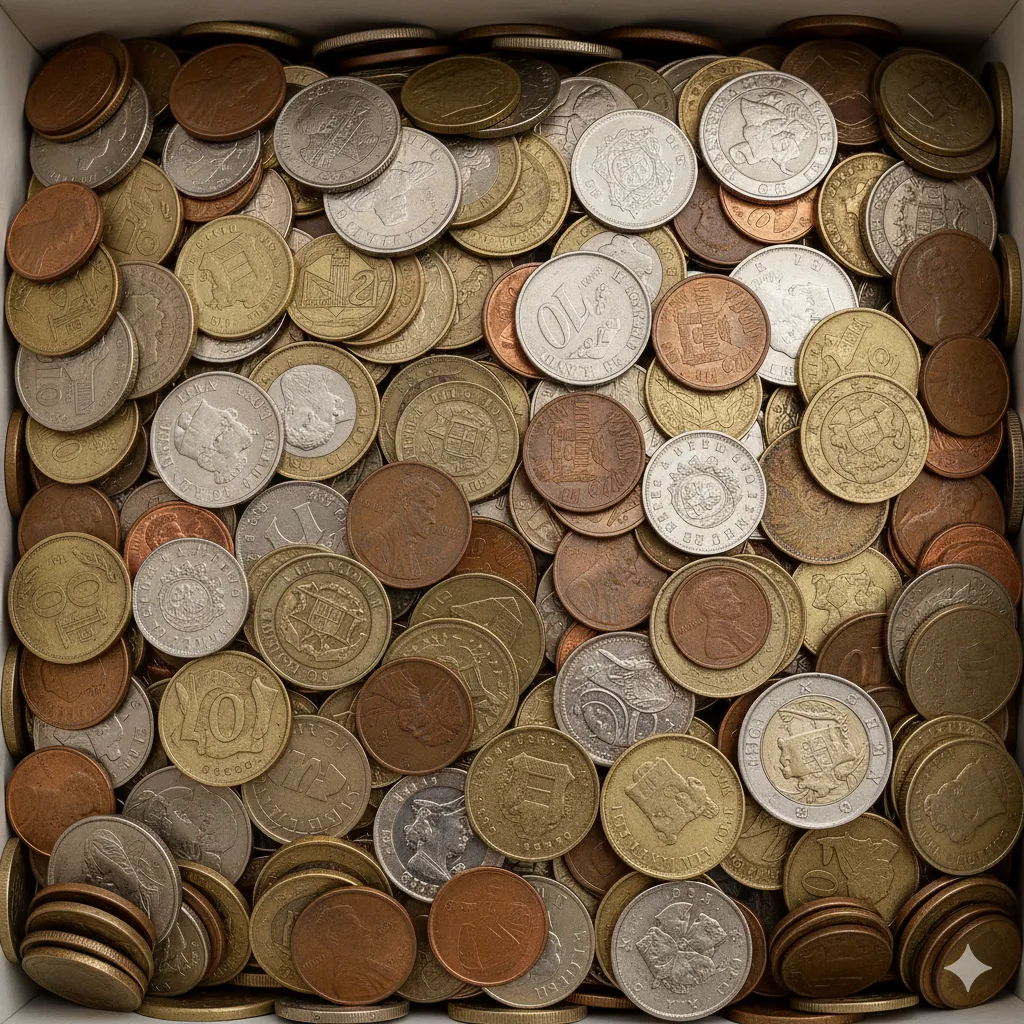
Collecting coins is an exciting and educational hobby for children. Coins are not just pieces of metal—they are small treasures that carry stories about different countries, cultures, and historical events. When children collect coins, they learn about past kings, famous leaders, important national symbols, and the way money has changed over time.
This hobby also develops curiosity, as every coin inspires questions like, “Which country is this from?” or “Why is this picture on the coin?” Children become more observant and eager to learn. Coin collecting also teaches responsibility, patience, and respect for history. It gives children a sense of achievement as their collection grows and becomes something they can proudly share with others.
Five Advantages of Coins Collecting for Children
Coins teach children about different civilizations, important events, traditional symbols, and how money has changed through the years
Children learn to notice small details like dates, designs, symbols, and mint marks, helping them become more attentive and sharp.
A unique coin encourages children to read, explore, and find information about its background, developing strong research and learning habits.
Maintaining a coin collection teaches children how to handle their coins carefully, organize them properly, and preserve them for the future.
Collecting coins takes time, and children learn to wait, search, and add coins gradually,helping them develop patience and a long-term mindset.
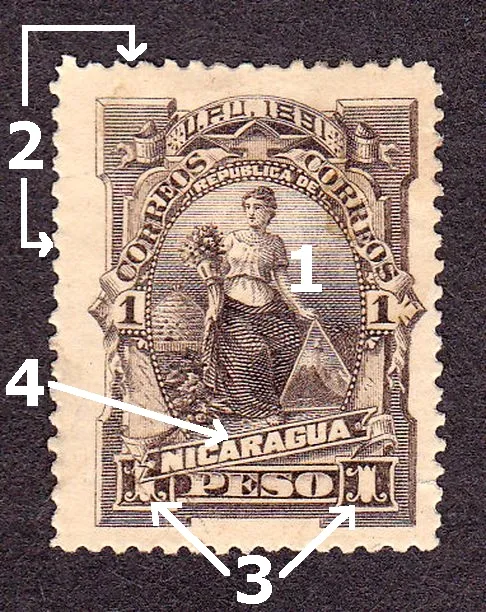
Collecting postage stamps is one of the oldest and most enriching hobbies in the world. For children, it is more than just gathering colorful little pieces of paper,it is a window to the world. Each stamp tells a story about a country’s history, culture, famous people, animals, inventions, festivals, and important events. When children collect stamps, they learn in a fun and creative way while building valuable skills that help them grow.
Stamp collecting also encourages curiosity. A child who finds a stamp with a tiger may want to learn more about wildlife; another who sees a stamp showing the Moon landing may become interested in space. In this way, stamp collecting becomes both educational and inspiring, helping children connect with the world beyond their own surroundings.
Five Advantages of Stamp Collecting for Children
Children learn about different countries, cultures, historical events, famous personalities, and scientific achievements simply by looking at stamps and reading about them.
Sorting, organizing, and preserving stamps helps children develop concentration and patience, which are essential for academic success.
Each new stamp sparks questions,"Where is this place?" "Who is this leader?",encouraging children to read, research, and explore information.
Maintaining a stamp album teaches children how to categorize items, arrange them neatly, and take care of their collections responsibly.
The colors, designs, and themes on stamps inspire creativity. Many children begin drawing, writing stories, or learning new crafts because of the designs they see on stamps.